
The psychology behind why we gamble insights into the human mind
The Allure of Risk and Reward
The act of gambling inherently involves a dance with chance, where the prospect of winning can ignite thrilling emotions. For many, the thrill of risking something valuable for the chance of a greater reward creates an adrenaline rush akin to other high-stakes activities. This psychological stimulation engages the brain’s reward system, releasing dopamine, a neurotransmitter linked to pleasure and motivation. As individuals experience this rush, they may feel compelled to continue gambling to recreate that exhilarating high, often exploring non uk casino sites as alternatives to traditional venues.
Moreover, the anticipation that accompanies gambling significantly contributes to its appeal. The uncertainty of outcomes fuels excitement, drawing players into a cycle where every turn of a card or spin of a wheel heightens tension. This anticipation often overshadows the potential for losses, as the hope of winning can cloud judgment, leading individuals to overlook the odds stacked against them. Consequently, they might find themselves returning to gamble again and again, driven by the desire for that fleeting moment of triumph.
Additionally, the social dynamics at play in gambling environments can enhance the allure. Whether in a casino, at a poker table, or even in informal betting scenarios, the shared experience can create a sense of community. This social aspect can amplify emotions and make the activity more enjoyable. Observing others winning can stir competitive instincts, encouraging individuals to take risks they might otherwise avoid when alone. Thus, the combination of risk, reward, and social interaction creates a compelling psychological environment that keeps people engaged in gambling.
The Role of Cognitive Biases
Cognitive biases significantly impact gambling behavior, shaping perceptions and decisions in ways that can lead to detrimental outcomes. One prevalent bias is the “illusion of control,” where gamblers believe they can influence the outcome of games primarily based on skill, despite inherent randomness. This misconception can motivate individuals to take risks, fostering a belief that they possess a greater chance of winning than statistical probabilities indicate.
Another common bias is the “gambler’s fallacy,” where individuals erroneously believe that past outcomes influence future results. For example, someone might think that a slot machine is “due” for a win after several losses, leading them to gamble more in hopes of hitting a jackpot. This erroneous thinking can perpetuate a cycle of gambling, as players become convinced that their luck will eventually turn, often resulting in significant financial losses.
Lastly, confirmation bias can exacerbate gambling issues. Players tend to remember wins more vividly than losses, reinforcing a false narrative that they are better at gambling than they actually are. This selective memory encourages continued engagement, as individuals ignore losses that contradict their beliefs. As these cognitive biases intertwine with emotional responses, they can create a powerful psychological framework that keeps individuals entrenched in gambling, often against their best interests.
Emotional Regulation Through Gambling
For many individuals, gambling serves as a coping mechanism to regulate emotions and escape from reality. The thrill of betting can temporarily alleviate feelings of stress, anxiety, or depression. This psychological escape can be particularly appealing during challenging times, as the immediate gratification and distraction of gambling provide a welcome reprieve from negative feelings. However, this coping strategy often becomes maladaptive, leading to compulsive gambling behaviors.
The allure of gambling as a means of emotional regulation can create a vicious cycle. As individuals turn to gambling during moments of distress, they may experience temporary relief, only to find themselves facing guilt, shame, or financial difficulties afterward. This emotional turmoil can prompt them to gamble again in an attempt to alleviate their negative feelings. Over time, this pattern can escalate, resulting in addiction and a complete loss of control over gambling behaviors.
Furthermore, the emotional highs associated with winning can create a false sense of security. Individuals might equate winning with improved emotional well-being, making them more likely to gamble in pursuit of that fleeting happiness. This pursuit can overshadow the reality of the risks involved, leading to compulsive behavior that neglects the potential consequences. As a result, gambling can morph from a leisure activity into a destructive cycle driven by the need for emotional regulation.
The Impact of Environment and Accessibility
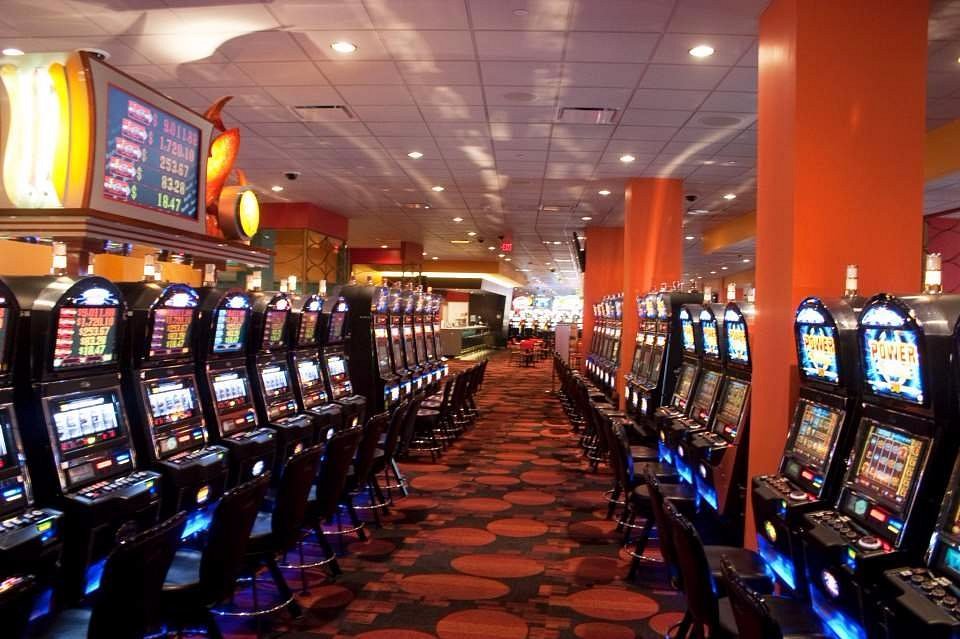
The environment in which gambling occurs plays a crucial role in shaping behavior and experiences. Factors such as the design of casinos, the presence of other players, and the atmosphere can significantly influence individuals’ decisions to gamble. For instance, casinos are often designed to create an immersive experience, with bright lights, enticing sounds, and a layout that encourages prolonged engagement. This environment can heighten excitement and lower inhibitions, making it easier for individuals to gamble impulsively.
Accessibility to gambling options further exacerbates these effects. With the rise of online gambling platforms, individuals can now gamble from the comfort of their homes at any time. This convenience can lead to increased frequency and intensity of gambling behaviors, particularly among those susceptible to addiction. The immediacy of access reduces the barriers to entry, making it easier for individuals to engage in gambling whenever they desire, often without considering the potential repercussions.
Additionally, social influences can play a significant role in shaping gambling behaviors. People are often swayed by friends or family members who gamble, leading to a normalization of the activity. When gambling is perceived as a common and acceptable pastime, individuals may be more likely to participate without fully understanding the associated risks. The combination of a stimulating environment and easy access to gambling opportunities creates a potent recipe for compulsive behaviors, making it essential to understand these factors in the context of gambling psychology.
Understanding Gambling Disorders
Recognizing the signs of gambling disorders is vital for both individuals and society at large. Gambling addiction, classified as a behavioral addiction, shares similar characteristics with substance abuse disorders. Symptoms can include preoccupation with gambling, an inability to stop despite negative consequences, and increasingly risky behavior to chase losses. Understanding these signs can help individuals seek assistance before their gambling becomes unmanageable.
Treatment for gambling disorders often includes therapy, support groups, and lifestyle changes to manage triggers and develop healthier coping strategies. Cognitive-behavioral therapy (CBT) has shown promise in addressing the cognitive distortions that contribute to gambling behaviors. By targeting the irrational beliefs and emotional triggers associated with gambling, individuals can learn to approach gambling with a more balanced perspective, reducing their likelihood of relapse.
Societal awareness of gambling disorders is equally important, as stigma can prevent individuals from seeking help. Promoting education around the psychological aspects of gambling can foster empathy and support for those affected. By recognizing gambling addiction as a serious mental health issue, communities can create environments that encourage individuals to come forward and seek the help they need, ultimately reducing the stigma surrounding this often-hidden disorder.