
Understanding the psychology of risk in gambling choices
The Nature of Risk in Gambling
Understanding the psychology of risk in gambling begins with recognizing that gambling inherently involves uncertainty. Players must weigh potential rewards against the possibility of loss, creating a unique psychological landscape. This balance often leads to a thrilling experience that can result in both excitement and anxiety, influencing decision-making processes. When exploring different platforms, you might consider King Johnnie Casino, which offers a diverse gaming experience.
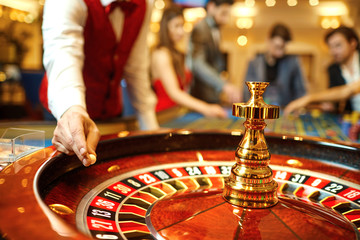
Different individuals perceive risk in varied ways, which can significantly impact their gambling choices. Some may embrace high-risk games like poker or roulette for the potential for large payouts, while others prefer low-risk options, such as slot machines, where the stakes feel less daunting. These preferences are often shaped by personal experiences, cultural background, and even biological factors.
The Role of Emotion in Gambling Decisions
Emotions play a crucial role in how gamblers make choices. The thrill of a win can evoke feelings of joy and elation, prompting players to continue gambling even when they experience losses. This emotional rollercoaster can cloud judgment, leading to impulsive decisions that prioritize short-term excitement over long-term consequences.
Moreover, the excitement associated with gambling often triggers dopamine release in the brain, reinforcing behavior that may lead to further gambling. This neurochemical response can create an addictive cycle, making it difficult for individuals to step away from the gaming environment, despite potential negative impacts on their lives.
Common Misconceptions About Gambling Risks
Many myths surround the risks associated with gambling, often leading to misguided perceptions. For instance, some players believe that past outcomes affect future results in games of chance, such as slots. This misconception can lead to what psychologists call “gambler’s fallacy,” where individuals mistakenly think that a certain outcome is “due” after a series of losses.
Debunking these myths is crucial for responsible gambling practices. Understanding that each game outcome is independent and driven by random chance helps players make informed decisions. By dispelling these misconceptions, individuals can approach gambling with a clearer mindset, reducing impulsive behavior driven by false beliefs, especially as they navigate the complexities of gambling.
The Influence of Social Factors on Gambling Choices
Social environments significantly influence gambling behavior. Peer pressure, social norms, and cultural attitudes towards gambling can shape individual choices and risk perceptions. For example, someone may feel compelled to gamble in social settings to fit in or impress friends, even if they are uncomfortable with the risks involved.
Additionally, the rise of online gambling has transformed social dynamics, allowing individuals to engage with others in virtual spaces. This accessibility can amplify both positive and negative social influences, making it essential for players to maintain awareness of their motivations and the potential risks they are taking in these communal environments.

King Johnnie Casino and Responsible Gambling
King Johnnie Casino is committed to providing a safe and exciting gaming experience for players. With a wide array of games and lucrative bonuses, it aims to offer entertainment without compromising responsible gambling practices. The platform encourages players to understand their limits and make informed decisions when it comes to risk.
By promoting responsible gaming and awareness of psychological factors influencing gambling choices, King Johnnie Casino strives to create an environment where players can enjoy themselves while remaining mindful of the risks involved. This balanced approach helps cultivate a healthier relationship with gambling, fostering a more positive experience overall.